In this power-point presentation, I use the environmental activism of Winona LaDuke (Ojbwe Nation-Minnesota Reservation) and the late historian and activist Mavynee Betsch (Jacksonville, Fl) to highlight the diversity in the fight against climate change and teach the importance of inclusion (presentation) on digital platforms with authentic narratives.
The creative fictional story represents my social justice themed writing and passion for history molded during my educational training at Agnes Scott College. The protagonist development is based on the ‘othered’ in society and its response to the antagonist, society itself. My goal is to provide a different narrative of American history and inspire readers and diverse writers to use digital platforms to display their talents and cultures.
Bovenia “Paddy” Hornsbee was born in 1863 by a mysterious black woman with an army of men at her command. Biological abnormalities allow Bovenia to experience life as a man and woman. She charts her life in a journal for her kin with “no regret” for the blood on her hands, gut-wrenching family tragedies and the acceptance of her trusted companion death at her side. The slave narrative charts life in the South and the North from Emancipation to the March on Washington in 1963, Native and African American and Indentured servants (Irish) relationships and the beauty of self identification in a world full of labels.
In this Human Centered Design and Implementation project, I worked with a team to create a design challenge and product customized to the growing senior citizen population. Honor The Elders is my concept of using participatory culture through instructional environments focused on creating tech savvy seniors. As the Subject Matter Expert in the Inspiration, Ideation and Implementation Phases – I used Pew research statistics to identify common problems with aging in place, created interview questions for personal views on life, health and thoughts on the technology age, interviewed seniors and named the product. The target audience is African American women living alone on a fixed income. The project uses the SCRUM process to organize research, ideas and track project development. Covid 19 impacted the original classroom design of the product. Stay at home orders presented an unexpected challenge to the participatory aspect of the product. The solution was to create a digital library of instructional videos and use representation to engage our target audience.
It is my goal to meet the parameters to graduate with a Master’s Degree in Digital Communication. I want to educate African American youth about cultural histories within the diaspora in the United States and internationally. I want to provide information on ancient religious traditions and concepts of antiquity: Christianity, Ifa, and the Orisisas. I want to educate WOC about the services available for rape, domestic violence, and shelters. I want my digital portfolio to help change the narratives and stereotypes around people of color, women, and religious thought.
Audience and persona for Digital portfolio
My digital portfolio will target the primary audience of higher education professionals and students to fulfill the requirements of the digital masters program. The secondary audience is middle class educated African American women, racist white women and people searching for alternate religious beliefs. An African American woman is looking for information on traditional beliefs of her ancestors. She will access the information about the Orisas and the religion of the slave. A student needs additional information on African dynasties before colonization for a paper. She will access the information on the ancient empires of Mali and the King Mansa Musa.
Personal Branding Statement
My digital portfolio helps me to connect with African Americans and provide historical academic evidence different from the current narratives assigned to black bodies. I want my audience to see me as a source of accurate information, authentically vested in cultural advancements, and a safe place to be themselves. It is my goal to create additional educators willing to be their authentic selves on digital platforms to add to the diversity of the internet.
Content Outline
The contents of my aspirational digital portfolio will embody my journey as a black woman in a racist environment. The material will center around my undergrad and graduate education, work/personal experiences, and spiritual enlightenment. I want viewers to encounter diverse narratives, histories, and find their authentic selves through education and spiritual enlightenment. I hope to become a trusted leader that incites truth, positive interactions, and real change in the United States and globally.
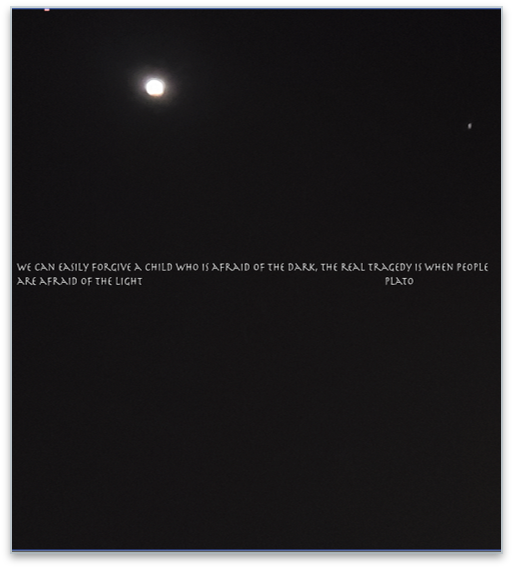
In this digital art, I used Adobe Suites to display the elements of value and color with the principle of emphasis by layering word art with a picture to create meaning. The image is denotative in highlighting a descriptive meaning of Plato’s quote in a dark moon lit night as the visual parallel. I used a cellular phone to capture the picture to demonstrate the cohesiveness of digital devices to create meaningful art.
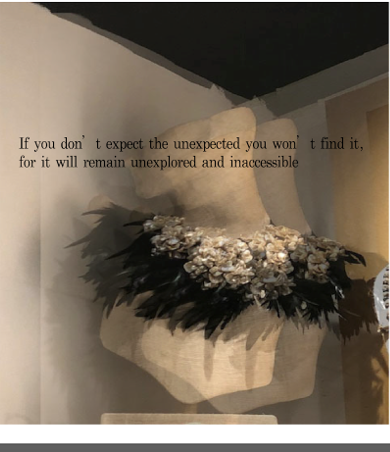
In this digital creation, I used Adobe Illustrator to layer an image and typography to combine meanings. The breaks in the quote and doubled image embodies the message to expect the unexpected by the use of an inanimate object and word manipulation.
Solutions Journalism in the Digital Age is defined as rigorous reporting on responses to social problems that include solutions. In the articles below, I used the eight elements of story telling to explore a problem and the solution by using character description, voice, statistical data, dissent, details and photos to explore diversity in solutions to societal issues and interests.
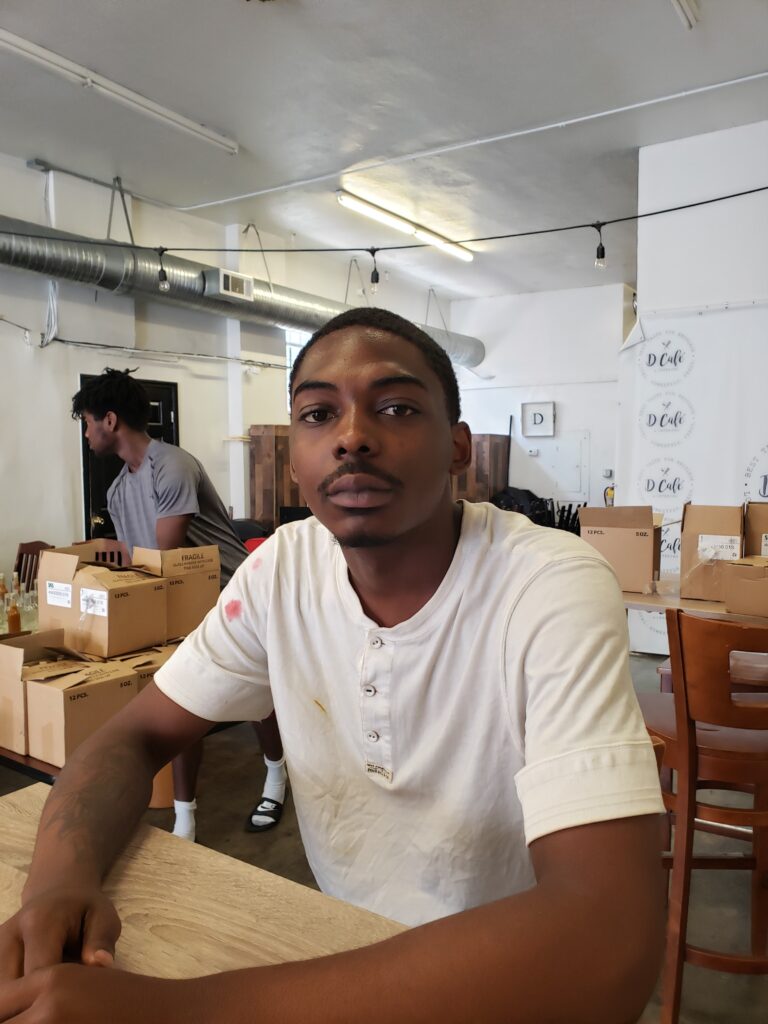
Gangsta to Growers is a Solutions Journalism piece focusing on a young African American woman, who battles recidivism and gentrification in the historical African American West End of Atlanta Ga by teaching entrepreneurship to formally incarcerated youth. I worked with the group once a week for a month to chart the Come Up Project and highlight the youth involvement in their future.
Divine Consciousness in Modern Times: Women, Faith and Healing the Masses focuses on three women, who reflect on their experiences, teachings and struggles as spiritual leaders.